
K Garira


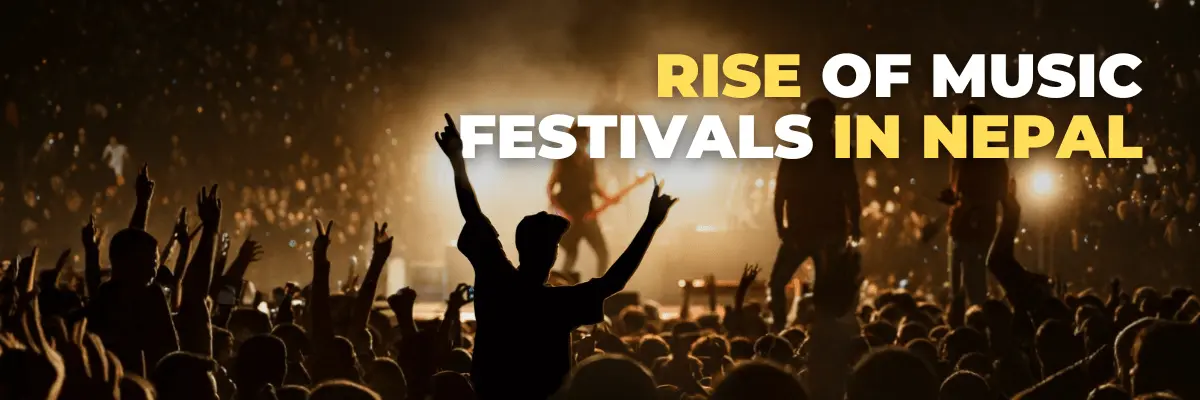
Nepal's music festival landscape has expanded dramatically over the past decade. Events ranging from electronic dance music gatherings to traditional folk celebrations now attract thousands of attendees annually. Understanding the ticketing ecosystem prevents fraud and ensures legitimate entry to these increasingly popular events.
Evolution of Nepal's Festival Scene
Music festivals in Nepal began with small-scale cultural programs organized by local communities and educational institutions. The 2000s saw gradual growth with rock concerts featuring domestic bands. These events operated on modest budgets with informal ticketing through direct sales at venue gates.
Sunburn Nepal in 2012 marked the entry of international electronic music festivals. The event brought foreign DJs and production standards previously unseen in the Nepali market. Despite organizational challenges, it demonstrated demand for large-scale music events.
Nepal Tourism Year 2020 planning catalyzed festival growth. Organizers positioned music events as tourist attractions. Investment in sound systems, stages, and promotion increased. International headliners began including Kathmandu in regional tour circuits.
Post-pandemic recovery accelerated festival expansion. Pent-up demand for live experiences drove ticket sales. New festival concepts emerged targeting specific genres and demographics. Electronic, rock, hip-hop, and fusion festivals now operate throughout the year.
Corporate sponsorship professionalized event management. Beverage companies, technology brands, and financial institutions fund festivals as marketing platforms. This capital injection improved production quality and enabled advance promotion through digital channels.
Major Festival Categories
Electronic dance music festivals dominate the commercial festival circuit. Events like Echoes of the Valley and Gateways bring international DJs to outdoor venues near Kathmandu. Multi-day formats combine camping with continuous music programming. These festivals attract young urban professionals and international tourists.
Rock and metal festivals serve Nepal's substantial alternative music community. Silence Festival and Crusade showcase domestic and regional bands. Indoor venues accommodate smaller capacities with emphasis on sound quality. These events maintain underground culture aesthetics while adopting professional ticketing.
Hip-hop festivals emerged as the genre gained mainstream popularity. Boom Bap focuses exclusively on rap and beat culture. Freestyle battles and graffiti competitions supplement musical performances. The format appeals to youth demographics in urban centers.
Traditional music festivals preserve classical and folk forms. Rastriya Naach Ghar hosts seasonal programs featuring traditional instruments and dance. These government-supported events maintain cultural heritage while modernizing presentation and ticketing systems.
Fusion festivals blend genres and cultural elements. Jazzmandu combines jazz with traditional Nepali music. The format attracts diverse audiences including expatriates, cultural enthusiasts, and music students. Venues range from intimate clubs to open-air spaces.
Legitimate Ticketing Platforms
K garira operates as Nepal's primary dedicated ticketing platform. The service handles festival tickets, concerts, theater performances, and sporting events. Digital tickets eliminate physical printing requirements. QR code verification at entry points prevents duplication.
The platform integrates with eSewa and Khalti for payment processing. Bank transfers and cards provide additional payment options. Confirmation emails contain ticket details and venue information. Customer service handles booking modifications and refund requests.
Event organizers increasingly use dedicated websites for ticket sales. These platforms link directly to payment gateways. Buyers receive tickets via email following successful payment. This approach reduces platform commission fees but requires organizers to manage customer support independently.
Social media page sales occur through direct messaging. Organizers confirm availability, share payment details, and send tickets after receiving funds. This informal method suits smaller events but lacks buyer protections available through established platforms.
Physical ticket counters operate at select retail locations in Kathmandu. Authorized sellers display event posters and organizer contact information. Payment occurs in cash with immediate ticket issuance. This option serves buyers preferring in-person transactions or lacking digital payment access.
Red Flags in Ticket Purchases
Unrealistically low prices indicate counterfeit tickets or scams. Festival tickets priced significantly below official rates likely represent fraudulent listings. Scammers exploit buyer desires for discounts. Comparison with official sources reveals price discrepancies.
Unverified social media accounts selling tickets pose significant risks. Pages created days before festivals often disappear after collecting payments. Legitimate sellers maintain established presences with customer reviews and interaction history. Account age and follower count provide authenticity indicators.
Requests for payment through non-traceable methods signal potential fraud. Sellers demanding cash deposits to personal accounts without providing official receipts operate outside legitimate channels. Reversing fraudulent transactions becomes impossible with informal payment methods.
Reluctance to provide event organizer contact information suggests unauthorized resale. Legitimate sellers reference official sources and provide verification pathways. Scammers avoid connections to organizers who might expose their fraudulent operations.
Pressure tactics creating artificial urgency indicate manipulation. Claims of extremely limited availability or expiring offers push hasty decisions. Legitimate sales maintain consistent pricing and clear capacity information throughout the sales period.
Verification Steps Before Purchase
Official event pages on Facebook and Instagram serve as primary information sources. Organizers post ticketing announcements with authorized seller lists. Cross-referencing seller claims against official announcements confirms legitimacy. Comment sections often expose scams reported by previous victims.
Organizer contact information appears on event promotional materials. Direct communication verifies authorized sellers and identifies fraudulent operations. Event management teams maintain responsiveness during ticket sales periods to facilitate verification.
Previous event history demonstrates organizer credibility. First-time organizers without track records carry higher risk. Established festival brands with multiple successful events provide reliability. Searching organizer names reveals past performance and customer feedback.
Media coverage in reputable outlets indicates legitimate operations. Newspapers and online publications cover major festivals. Press releases and interviews provide background on organizers and production plans. Absence of media presence for supposedly large events raises suspicions.
Payment platform verification confirms transaction security. K garira displays SSL certificates and secure payment indicators. Checking URL authenticity prevents phishing site victimization. Official payment gateways show branded interfaces and security features.
Secure Payment Methods
Digital wallets including eSewa and Khalti provide transaction records and buyer protections. Payment confirmations contain details useful for dispute resolution. These platforms maintain customer service channels addressing payment issues. Wallet balances can be recovered if platforms detect fraudulent merchant activity.
Credit and debit cards offer chargeback mechanisms when merchants fail to deliver promised services. Visa and Mastercard networks enable dispute filing. Banks investigate claims and reverse charges for verified fraud. This protection layer justifies card usage despite small processing fees.
Bank transfers create permanent records but offer limited recourse. Transfer details show recipient accounts and transaction amounts. However, recovering funds sent to fraudulent accounts proves difficult. This method suits purchases from established sellers with verified credentials only.
Cash payments provide no transaction trails or recovery options. Lost or stolen physical tickets cannot be replaced without proof of purchase. Cash suits only face-to-face transactions where tickets transfer immediately upon payment.
QR-based payment systems integrate with banking apps and digital wallets. Scanning codes at authorized sellers ensures correct payment routing. Transaction confirmations appear instantly. These systems combine convenience with security features of digital payment infrastructure.
Early Bird and Presale Strategies
Early bird tickets offer discounts for advance purchases. Festivals release limited quantities at reduced prices months before events. These sales generate initial capital for production expenses. Buyers benefit from savings while organizers secure baseline revenue.
Presale access often requires registration through official channels. Email lists receive presale codes hours before general sales. This strategy rewards engaged followers and prevents ticket hoarding by scalpers. Code distribution through verified channels ensures buyer legitimacy.
Tiered pricing structures increase rates as event dates approach. First release tiers sell at lowest prices. Subsequent releases cost progressively more. Final tier tickets at gate prices discourage procrastination. Understanding tier schedules enables optimal purchase timing.
Group discounts apply when purchasing multiple tickets simultaneously. Festivals offer percentage reductions for groups exceeding specified sizes. This encourages friend groups to commit early. Coordination requirements ensure serious buyers rather than speculative purchasers.
Membership programs provide priority access and discounts. Paid memberships grant presale windows and price reductions across multiple events. Regular festival attendees benefit from accumulated savings. These programs build customer loyalty while generating predictable revenue.
Understanding Festival Ticket Types
General admission tickets grant entry without designated seating or viewing areas. Standing room capacity determines sales limits. First arrivals secure positions near stages. This category suits energetic participants preferring mobility.
VIP packages include premium viewing areas, separate entrances, and enhanced amenities. Dedicated bars, seating zones, and restroom facilities justify higher prices. Some packages add meet-and-greet opportunities with performers. Corporate groups and affluent individuals purchase these upgrades.
Single-day passes cover admission for specific dates in multi-day festivals. Buyers select preferred performance lineups without committing to entire events. Price per day typically exceeds proportional full-festival rates. This flexibility accommodates schedule constraints.
Multi-day passes provide access across entire festival durations. Per-day costs decrease compared to single-day options. Camping provisions often accompany multi-day tickets. Committed fans and travelers from outside Kathmandu valley prefer comprehensive access.
Student discounts require valid identification at entry. Educational institution cards or letters verify eligibility. Percentage reductions acknowledge limited student budgets. These programs expand youth participation and build future festival audiences.
Refund and Exchange Policies
Festival cancellations trigger full refund obligations. Organizers must return ticket costs within specified timeframes. Force majeure clauses may alter refund structures during unprecedented circumstances. Pandemic-related cancellations exposed gaps in industry refund standards.
Postponement policies vary significantly between organizers. Some honor tickets for rescheduled dates while others offer refund options. Clear communication during announcement phases prevents confusion. Buyers should confirm policies before purchasing tickets to events with uncertain scheduling.
Individual cancellations rarely qualify for refunds. Terms of service typically declare tickets non-refundable after purchase. Medical emergencies or travel disruptions remain buyer responsibilities. This policy prevents revenue uncertainty for organizers.
Ticket transfers allow resale to other individuals when personal circumstances prevent attendance. Official transfer mechanisms through ticketing platforms maintain validity. Unauthorized transfers risk entry denial if detection systems identify discrepancies.
Name change procedures require documentation and processing fees. Platforms charge administrative costs for updating ticket holder information. Advance notice requirements ensure smooth entry gate operations. Last-minute changes may prove impossible depending on system capabilities.
Combating Scalping and Price Inflation
Scalping occurs when buyers purchase tickets solely for resale at inflated prices. Nepal lacks specific legislation prohibiting this practice. Secondary market sales operate through social media and classified platforms. Buyers pay premiums during sold-out situations.
Organizers implement purchase limits per transaction to restrict scalping. Maximum quantities prevent bulk buying by resellers. Identity verification at entry points discourages scalping when systems check names against tickets.
Dynamic pricing adjusts rates based on demand levels. Algorithms increase prices as availability decreases. This captures revenue that would otherwise go to scalpers. However, the practice generates controversy over accessibility and fairness.
Authorized resale platforms provide secure secondary markets. K garira allows ticket listing by original purchasers. Platform verification ensures legitimacy while organizers receive transaction data. Price caps prevent excessive inflation.
Public awareness campaigns educate buyers about official channels. Social media announcements identify authorized sellers and warn against scalpers. Community reporting exposes fraudulent operations. Collective action reduces scalper profitability.
Mobile Ticketing and Entry Systems
QR codes embedded in digital tickets streamline entry processes. Scanners at gates verify authenticity instantly. Each code contains unique identifiers preventing duplication. Screenshots or PDFs function identically to wallet-stored tickets.
Offline verification capabilities ensure system functionality without internet connectivity. Pre-loaded databases contain valid ticket information. This redundancy prevents entry delays during connectivity issues at outdoor venues.
Real-time validation prevents multiple entries with single tickets. Scanned codes register as used in central databases. Attempted reuse triggers alerts to security personnel. This prevents ticket sharing and unauthorized access.
Backup systems accommodate technical failures. Manual verification using printed lists confirms ticket validity when electronic systems malfunction. Staff training covers fallback procedures maintaining entry flow.
Fraud detection algorithms identify suspicious patterns. Multiple rapid scans of identical codes indicate duplication attempts. Anomaly flags prompt manual inspection. These systems evolved following early festival fraud incidents.
Festival Safety Considerations
Venue capacity limits ensure safety during emergencies. Ticket sales stop at maximum allowed attendance. Overcrowding creates hazards during evacuations. Responsible organizers prioritize safety over revenue maximization.
Emergency exit accessibility requires unobstructed pathways. Venues must maintain clear routes to designated exits. Security briefings cover evacuation procedures. Ticket holders should identify exits upon arrival.
Medical facilities within festival grounds address health emergencies. First aid stations staff trained personnel. Ambulance access routes remain clear. Large festivals coordinate with hospitals for serious incident transfers.
Security screening at entry points prevents prohibited items. Metal detectors and bag checks identify weapons and dangerous materials. Ticket verification occurs simultaneously with security screening. Combined procedures optimize entry efficiency.
Weather contingency plans protect attendees during adverse conditions. Shelter areas accommodate crowds during rain. Lightning detection systems trigger stage closures when necessary. Organizers communicate weather-related changes through official channels and venue announcements.
Cultural Impact and Community
Music festivals create economic opportunities for local vendors and service providers. Food stalls, transportation services, and accommodation businesses benefit from attendee spending. Rural festival venues inject revenue into agricultural communities.
Emerging artists gain exposure through festival performances. Lineup placements introduce musicians to audiences beyond their existing followers. Industry connections formed at festivals advance careers. Platform access accelerates artistic development.
Cultural exchange occurs when international and domestic artists share stages. Musical traditions blend creating fusion genres. Audiences encounter diverse styles expanding musical appreciation. This cross-pollination enriches Nepal's creative landscape.
Tourism promotion positions festivals as destination attractions. International attendees extend stays exploring Nepal beyond festival venues. Cultural tours and adventure activities complement festival attendance. This integration supports broader tourism industry goals.
Youth engagement through festivals channels energy into productive creative participation. Volunteering opportunities teach event management skills. Attendee experiences inspire career interests in music, production, and hospitality sectors.
FAQs
1. How early should I buy festival tickets to get the best price?
Early bird tickets released some weeks before events offer maximum savings. Discounts range from 20-40% below gate prices. Presale announcements appear on official social media pages and mailing lists.
2. What should I do if I suspect a ticket seller is fraudulent?
Verify sellers through official event pages before purchasing. Report suspicious accounts to event organizers and platform administrators. Avoid completing transactions when verification fails or seller behavior raises concerns.
3. Can I get a refund if the festival lineup changes after I buy tickets?
Most organizers reserve rights to modify lineups without refund obligations. Terms of service specify conditions under purchase agreements. Major headliner cancellations sometimes trigger partial refunds depending on organizer policies.
4. Are digital tickets as secure as physical tickets?
Digital tickets offer superior security through QR verification systems. Physical tickets face counterfeiting risks. Screenshots and PDFs work identically to mobile wallet storage. Backup printouts provide redundancy.
5. Where can I safely purchase festival tickets in Nepal?
kgarira.com provides verified ticketing for major festivals. Official event websites and authorized retail counters listed on organizer pages ensure legitimate purchases. Avoid unauthorized social media sellers and classified listings.
Share this post
K Garira